
Mission
Balance a creative learning ecosystem driven by technology and traditional tools, cultivate future citizens with computational thinking, creativity, and perseverance, and enable every child to express, create, and collaborate confidently in the AI era.

Vision
Become a global leader in AI + education innovation platforms, reshape learning environments, and make technology a catalyst for children's unlimited potential, not a replacement for human intelligence.
Learning Objectives: SCALE
Based on the core literacy of the AI era, we define five educational objectives (SCALE):

Scientific Literacy
Use AI to support scientific inquiry, guide children to actively explore scientific principles through the "questioning - experimenting - verifying" cycle. This practice helps them construct early scientific thinking frameworks and enhances both scientific cognition and practical skills.

Computational Thinking
Utilize robot programming tools to teach children how to decompose problems, design algorithms, and debug/optimize solutions, fostering the development of logical thinking frameworks.

AI Literacy Integration
Embed AI-driven interactive dialogues into creative learning pathways, supported by AI-powered analysis of learning data. Through visualized explanations of natural language processing and visual recognition principles, children gain deeper AI understanding and cultivate digital core literacy.

Learning to Learn / Metacognition
Combine AI-generated content (AIGC) with embodied creation (e.g., robot programming, maker activities) through task-driven challenges and reflective cycles. By iterating through "planning - execution - review" processes, learners master cross-disciplinary innovation methods while developing self-regulated learning abilities, transcending traditional educational boundaries.

Engineering & Design Thinking
Prioritize empathy by designing simulated social scenarios (e.g., interactive smart pets). This guides children to establish foundational Engineering Design Process (EDP) frameworks while solving real-world problems, strengthening their understanding of human society and achieving dual cultivation of engineering innovation and humanistic values.
Teaching Learning Principals
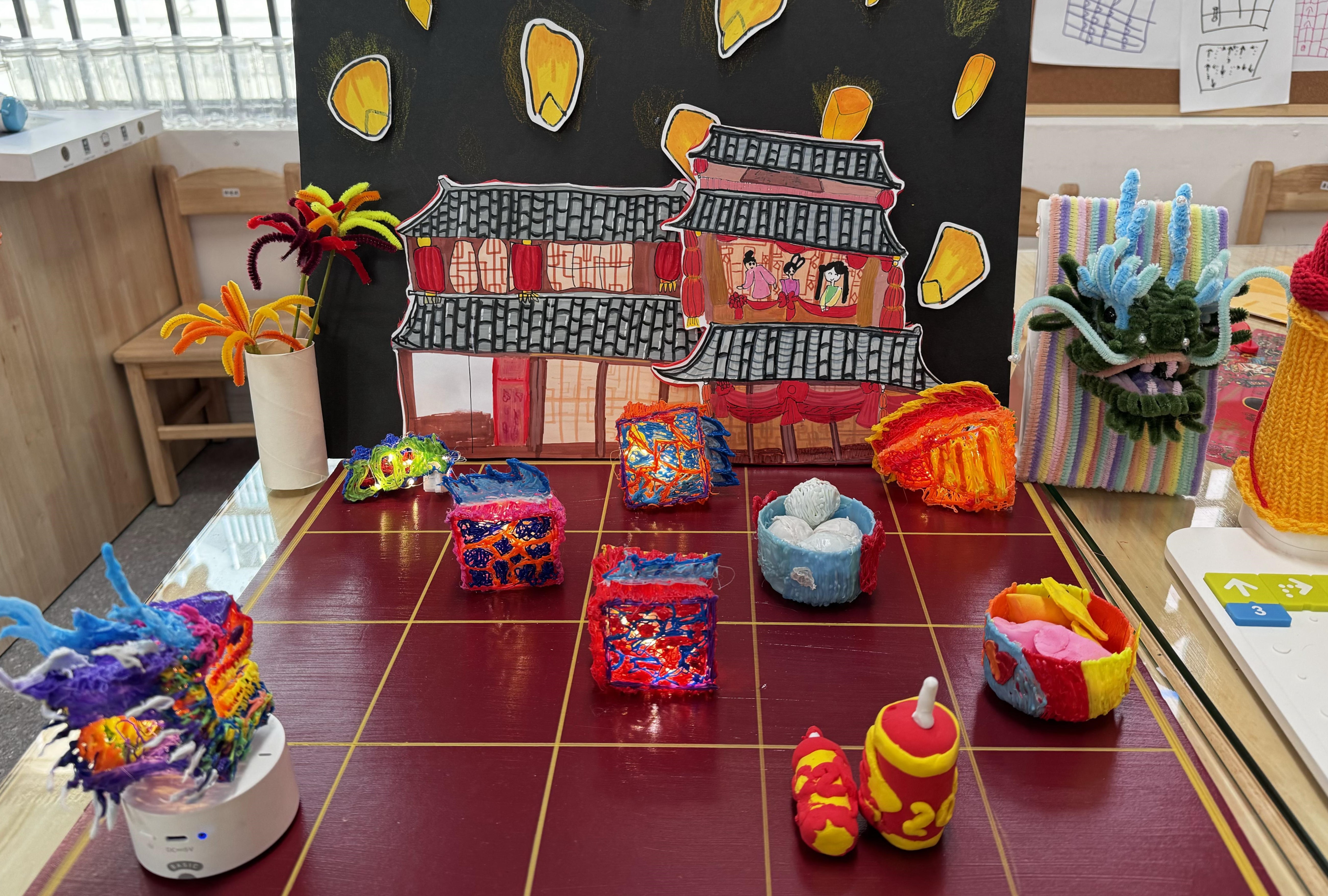
Child Agency-Driven "Learning Through Creating (LTC)" Model
Guided by project-based learning (PBL), children apply knowledge to solve real-world problems. This approach emphasizes children's agency in the learning process, encouraging hands-on exploration. Through PBL, they identify, analyze, and resolve challenges in practical contexts, achieving true knowledge internalization and application.
AI Is Understandable and Learnable
AI tools (e.g., smart drawing tools, voice assistants) provide heuristic guidance while preserving children's autonomy in decision-making. Children learn foundational AI principles through accessible methods and develop skills to collaborate with AI effectively.
Boundaryless Learning Through Interdisciplinary Integration
Break down disciplinary silos with integrated AI + programming + maker courses, nurturing children's creativity, real-world problem-solving skills, and perseverance.
Social-Emotional Learning
Learning is inherently social. Through collaborative projects (child-AI or peer teamwork), children deepen cognition via interaction. Communication, role division, and social engagement foster self-awareness, teamwork, knowledge internalization, emotional regulation, and meaning-making.
Learning Tools
AI Tutoring System
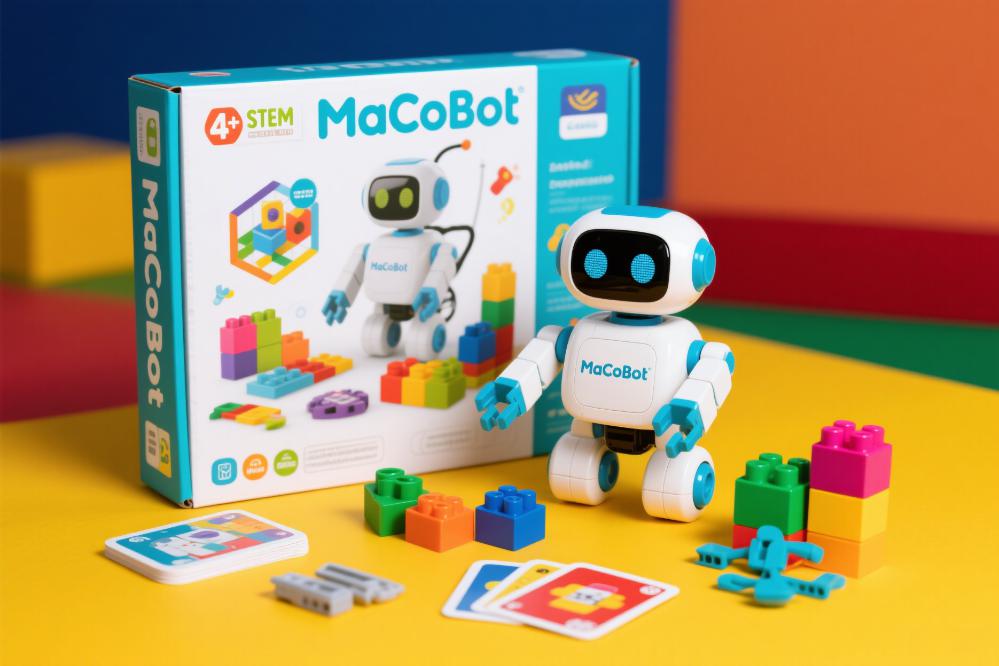
MaCoBot Intelligent Companion
- Voice-Activated Q&A Assistance
- Provide real-time learning progress updates to parents
- Simulate multi-sensory social-emotional interactions
Programming Robots
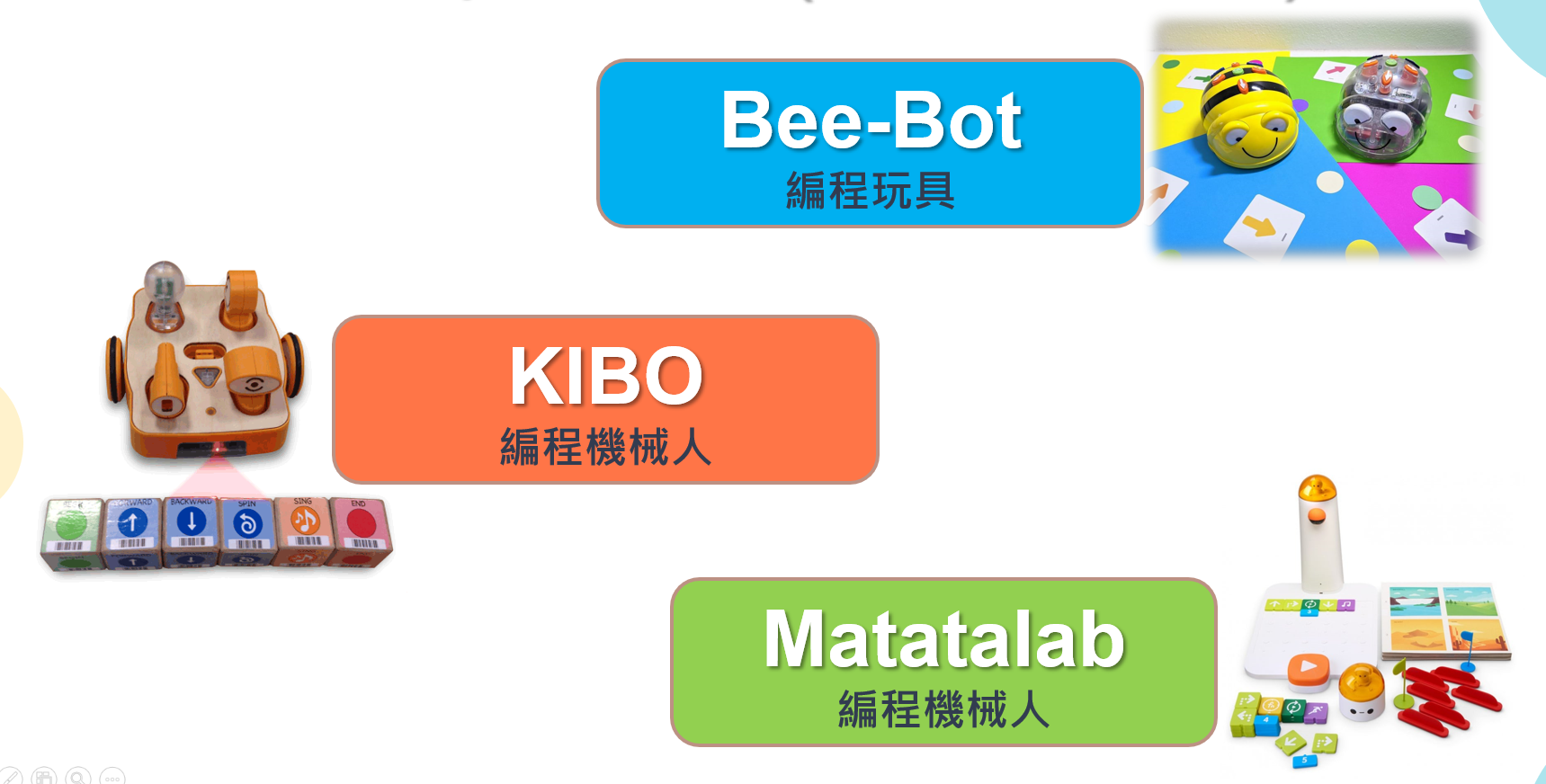
Programming Platform
- No-Code Block Programming
- Control robots to complete tasks (e.g., maze navigation)
Learning Environment
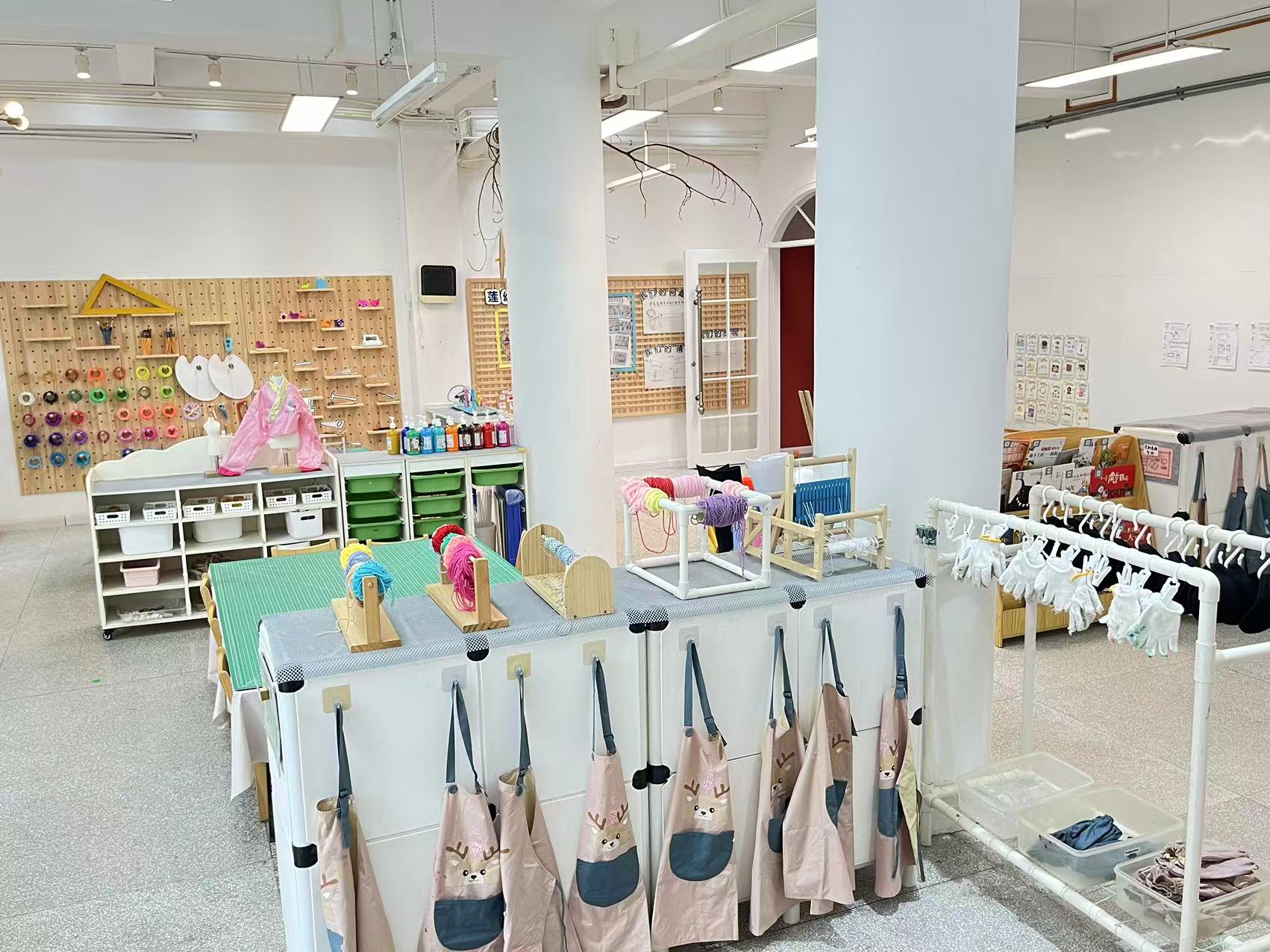
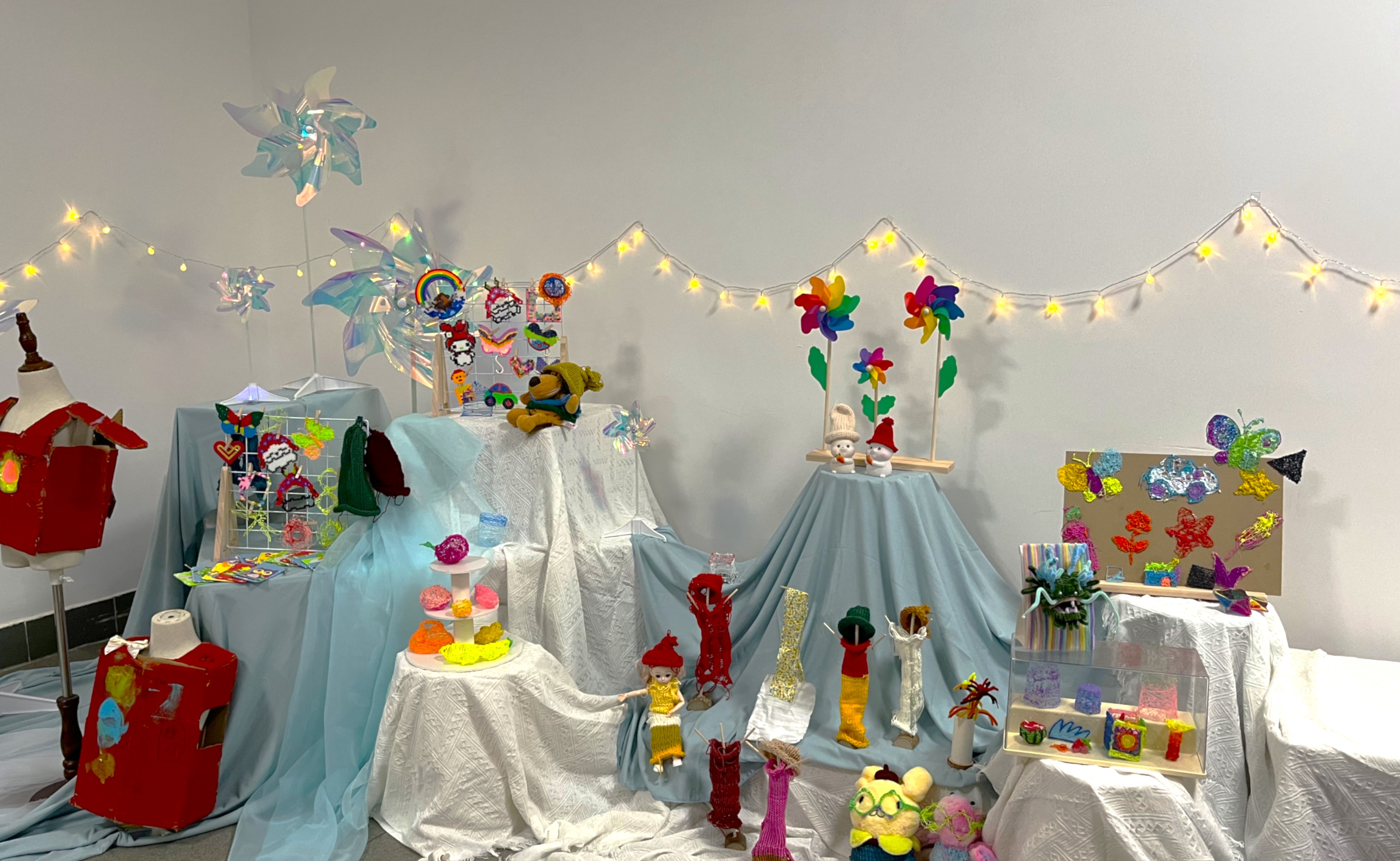
Makerspace and Material Kits
- Makerspace/Zone/Cart
- Child collaborative tasks (e.g., "Design a Future City")
Educator Requirements

Creative Instructional Design Skills
Use open-ended AI challenges in projects (e.g., "How can AI reduce food waste?") to guide children's self-directed exploration.

Interdisciplinary Project Teaching Skills
Integrate cross-disciplinary knowledge into teaching activities, enabling children to connect concepts across domains through vivid and engaging methods, helping them build effective learning capabilities.

Ethical Guidance & Emotional Support
Incorporate ethical discussions into the use of technological tools (such as "What if AI generates wrong answers?") to guide children to think dialectically about the role of technology and their relationship with it. Pay attention to children's emotional changes during learning to prevent technology dependence or frustration, and cultivate collaboration and communication skills, strengthening the awareness that "technology is a tool, and humans have more creativity.".